
landscape mirrors
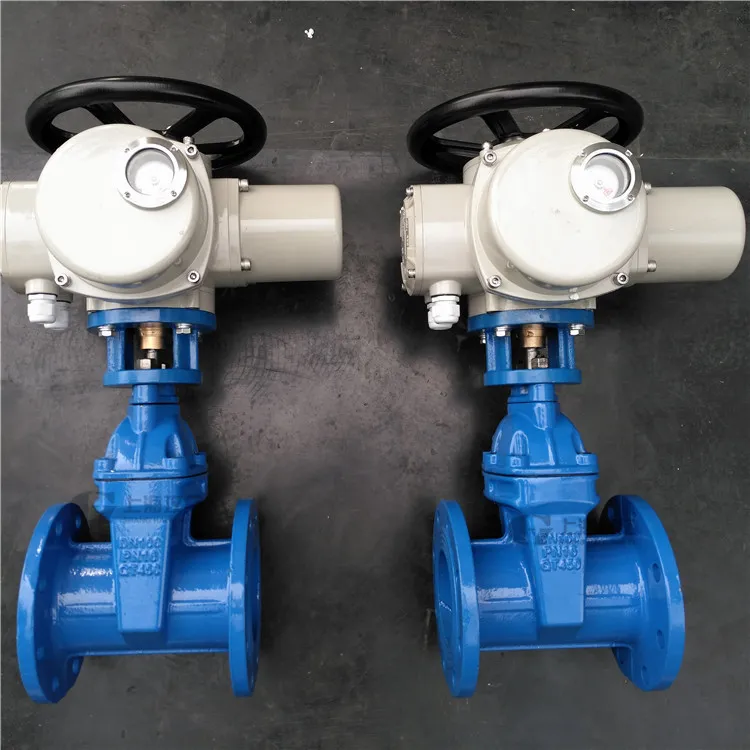
Understanding the Importance of the Main Shut-Off Water Valve The main shut-off water valve is a crucial component in any plumbing system, serving as the primary control point for your home’s water supply. Understanding its function and significance can help homeowners manage their water usage effectively and prevent potential disasters. Located where the water line enters your home, the main shut-off valve is typically found in the basement, crawl space, or near the perimeter of the house. Its primary purpose is to allow homeowners to stop the flow of water into the premises. This can be especially useful in emergencies, such as a burst pipe or a leaking appliance. By turning off the main water supply, you can minimize water damage, reduce the risks of mold growth, and avoid costly repairs. Understanding the Importance of the Main Shut-Off Water Valve Regular maintenance of the main shut-off valve is equally important. Over time, various factors such as mineral buildup, corrosion, or rust can hinder the valve's functionality. To ensure it operates smoothly, homeowners should periodically test the valve by turning it off and on. This simple action can help prevent it from seizing up, which might render it useless during an emergency. main shut off water valve In addition to emergencies, the main shut-off valve plays a vital role during routine maintenance or plumbing repairs. Before undertaking any plumbing work, shutting off the main supply is crucial to prevent water from gushing into your home. This can also come in handy when performing seasonal maintenance, such as winterizing your pipes to prevent freezing. Moreover, understanding how the main shut-off valve interacts with your home’s plumbing system can enhance your overall water management. For instance, during prolonged vacations, turning off the water supply can protect your home from unexpected leaks or plumbing failures, providing peace of mind while you are away. Finally, it is worthwhile to consider upgrading to a more modern valve if your current one is old or unreliable. Newer models may offer improved durability and ease of operation, such as quarter-turn valves that require less effort to shut off compared to traditional gate valves. In conclusion, the main shut-off water valve is a critical element of home plumbing that homeowners should not overlook. Familiarity with its location, function, and maintenance will empower you to manage your water efficiently and respond to emergencies effectively, ultimately protecting your home and enhancing your quality of life.
about
landscape mirrors
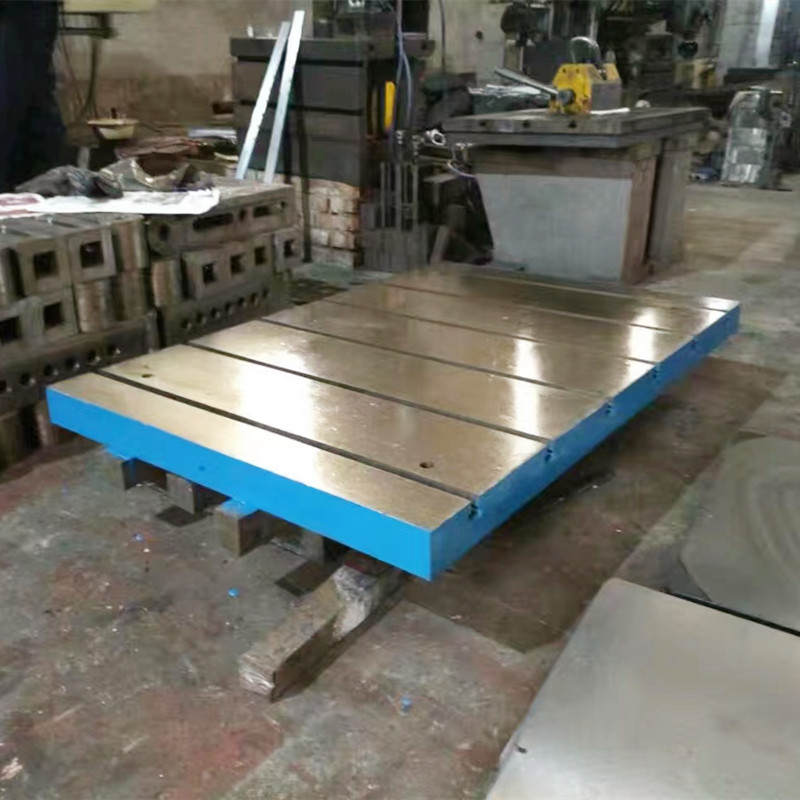
Platform Inspection Ensuring Safety and Compliance Platform inspection is a critical process in various industries, particularly in construction, manufacturing, and transportation. It involves the systematic evaluation of platforms, whether they are scaffolding, workstations, or transportation facilities. The primary goal of platform inspection is to ensure safety, compliance with regulatory standards, and the overall integrity of the structures being used in daily operations. Importance of Platform Inspection The importance of platform inspection cannot be overstated. First and foremost, ensuring the safety of personnel who utilize these platforms is paramount. Platforms that are not regularly inspected can develop structural weaknesses, leading to accidents that may result in severe injuries or fatalities. A robust inspection program can identify potential risks before they lead to disastrous consequences. Moreover, regular inspections help organizations comply with legal and regulatory requirements. Many industries are governed by strict safety regulations that mandate regular checks and maintenance of equipment and structures. Failure to comply can result in hefty fines, legal complications, and damage to an organization's reputation. Thus, maintaining adherence to safety standards not only protects workers but also safeguards a company's interests. Components of a Thorough Inspection A comprehensive platform inspection typically involves several critical components. Inspectors assess the physical condition of the platform, checking for any signs of wear and tear, corrosion, or structural damage . They also examine safety features like guardrails, ladders, and non-slip surfaces to ensure they are functional and meet safety standards. Additionally, inspections often include evaluating the load capacity of platforms. Overloading is a common cause of accidents, and underestimating the weight a platform can bear can have dire consequences. Inspections help ensure that platforms are used within their designated limits and that any changes in usage don’t exceed safe thresholds. platform inspection Documentation is another essential aspect of platform inspections. Keeping detailed records of each inspection helps track the history and condition of the platforms over time. This information is invaluable for identifying recurring issues and maintaining compliance with regulatory standards. Best Practices for Platform Inspection To optimize the effectiveness of platform inspections, certain best practices should be followed. First, inspections should be conducted by trained and certified personnel who understand the specific requirements of the platforms being assessed. Their expertise is crucial in identifying issues that may not be apparent to untrained eyes. Regular inspection schedules should be established based on the usage and environmental factors affecting the platforms. For instance, platforms exposed to harsh weather conditions may require more frequent inspections than those used in controlled environments. Furthermore, organizations should foster a culture of safety within their workforce. Employees should be encouraged to report any concerns or irregularities they observe during their regular use of the platforms. This proactive approach empowers workers and enhances the overall safety environment. Conclusion In conclusion, platform inspection is an indispensable part of ensuring safety and compliance in various industries. By identifying potential hazards, adhering to regulatory standards, and promoting a culture of safety, organizations can protect their workers and maintain operational integrity. Investing time and resources into regular inspections not only enhances safety but also contributes to a more efficient and productive work environment, ultimately leading to long-term success for any organization.
-

High quality industrial productsagement

High quality industrial products
View Details -

Meet the diverse needs of customers

Meet the diverse needs of customers
View Details -

Strict quality control

Strict quality control
View Details -

Top raw materials

Top raw materials
View Details -

Trusted supplier

Trusted supplier
View Details
Our application
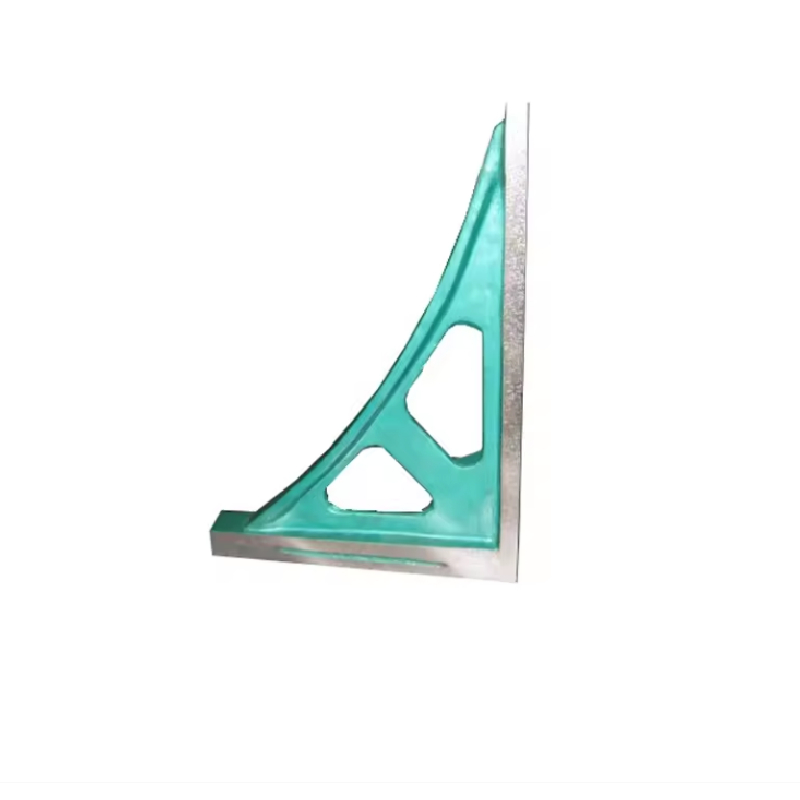
news and information

v Hướng dẫn
Hướng Dẫn Về Rào Chắn V Trong cuộc sống hiện đại, việc bảo đảm an toàn giao thông là một trong những
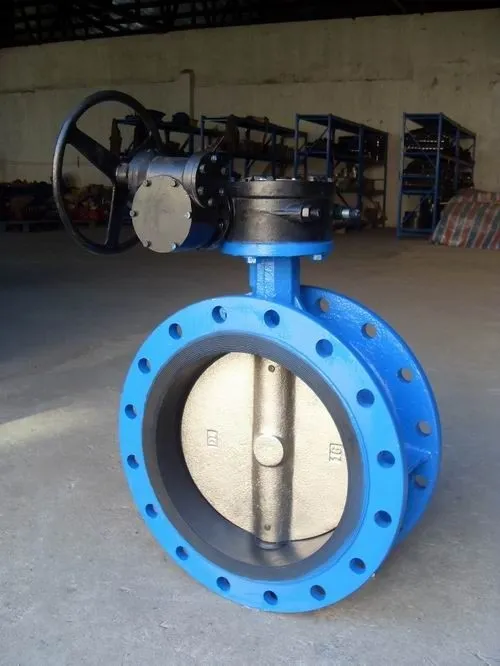
Vanne de contrôle à boule de 4 pouces
La vanne à clapet de 4 pouces un élément essentiel pour la régulation des fluides La vanne à clapet
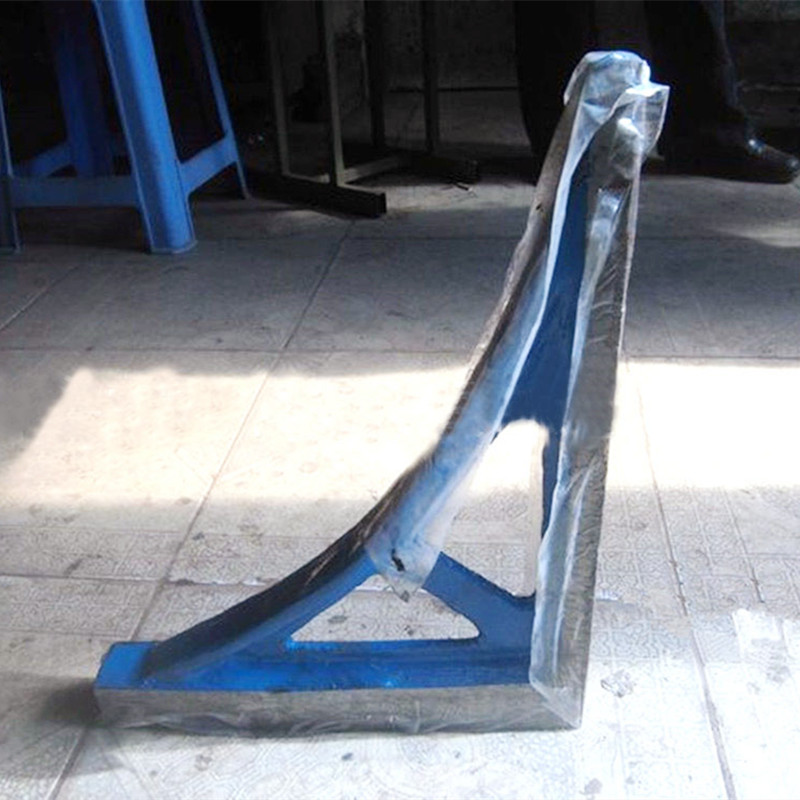
Y Type Strainer Featuring Convenient Drain Valve for Efficient Fluid Filtration
Understanding Y-Type Strainers with Drain Valves In industrial settings, efficient fluid management
 English